THE HULGER IDEA
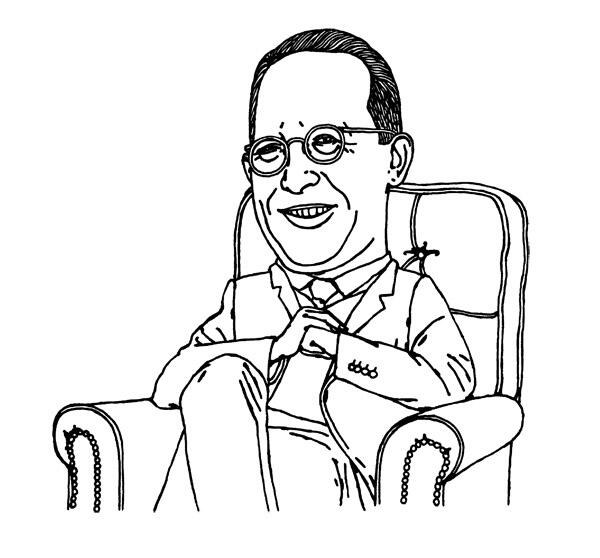
The name HULGER was inspired by Nicolas Roope’s grandfather. Hølger was a lawyer who lived contentedly with the same phone, the same car, the same old grandfather clock that ticked slowly and contentedly and the same leather arm-chair for decades. He was of a generation and culture that had resisted the wasteful churn of built-in-obsolescence. He bought lasting products that improved with age. He invested in beautiful technologies that didn’t generate a fear-of-missing-out with every subsequent release.HULGER wanted to create technological products with this same integrity. To reduce the destructive demand on the world’s resources, but also to settle our souls, with products that genuinely make us feel inspired yet contented and balanced in their ultimate impact.HULGER was founded in 2005 by Nicolas Roope and Michael-George Hemus and were soon joined by chairman Ronnie Renton. The studio has been in hibernation since the sale of Plumen in 2021. The only remaining partner is Nicolas and he'd be interested in waking Hulger up again if the project was right ; )(The cartoon of Morfar (grandfather) Hølger was made by our good friend Mr Bingo)
THE PLUMEN PROTOTYPE
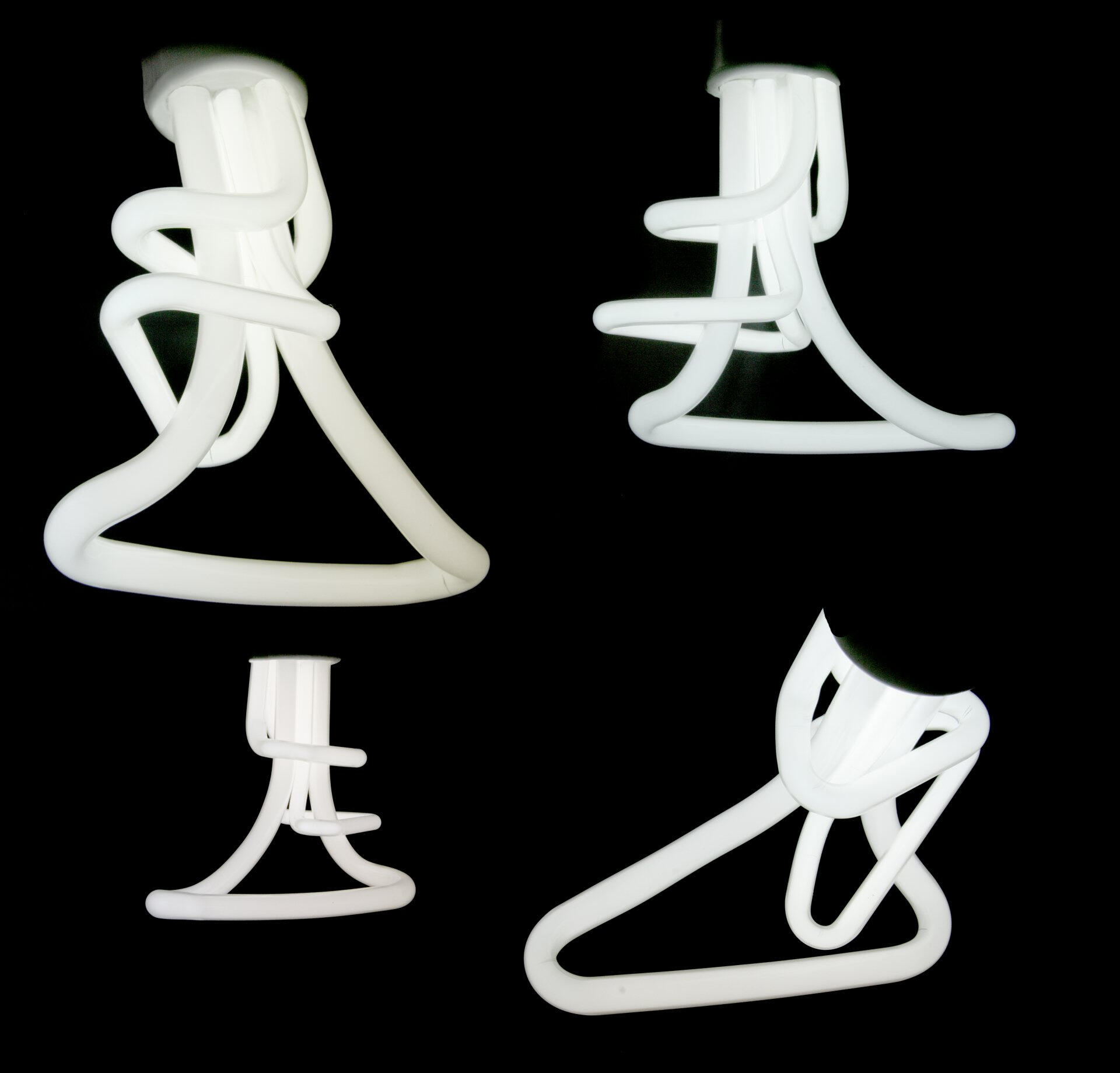
2007In 2007, HULGER set out to create a new kind of light bulb, one that would encourage people to rethink the purely utilitarian low-energy bulbs of the time. The aim was to design a product that could build demand for efficient lighting through desire rather than guilt or virtue; something we believed was essential to bringing these technologies into the mainstream, as they have become nearly 20 years later.We called it: "The World's First Designer Low Energy Light Bulb"During the development of the Plumen 001 production design a number of prototypes were made to bring to life the potential of the approach. The first prototype, simply entitled Plumen, made in neon tube from a coat hanger 3D sketch, is in the Museum of Modern Art (MoMA) permanent design collection.Three days after first presenting the design concept at Designersblock in 2007, The Times ran it as image of the day with the accompanying quote from Nicolas Roope that read: “Isn’t it strange that the bulb, an object synonymous with ideas is almost entirely absent of imagination”.
PLUMEN 001
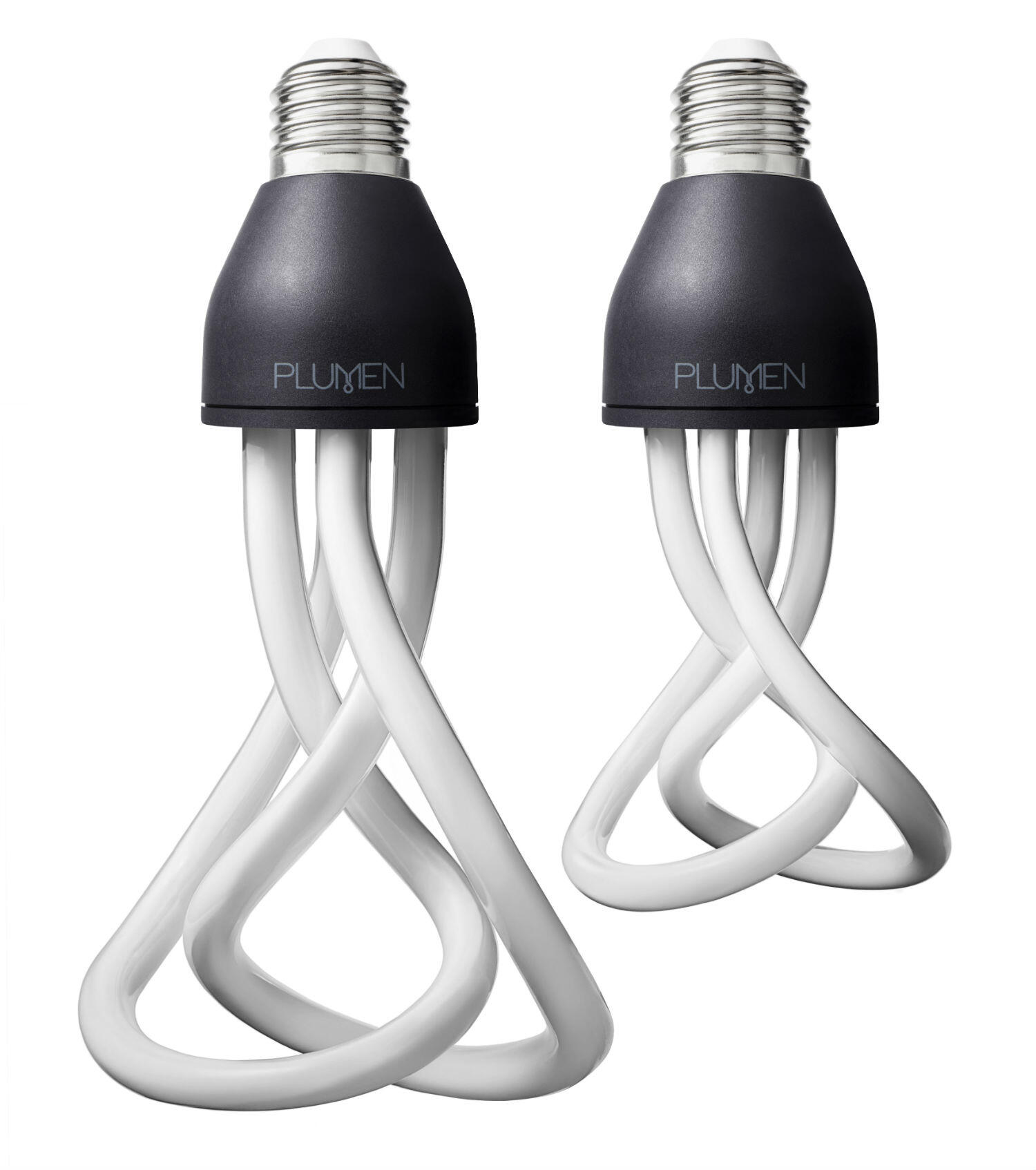
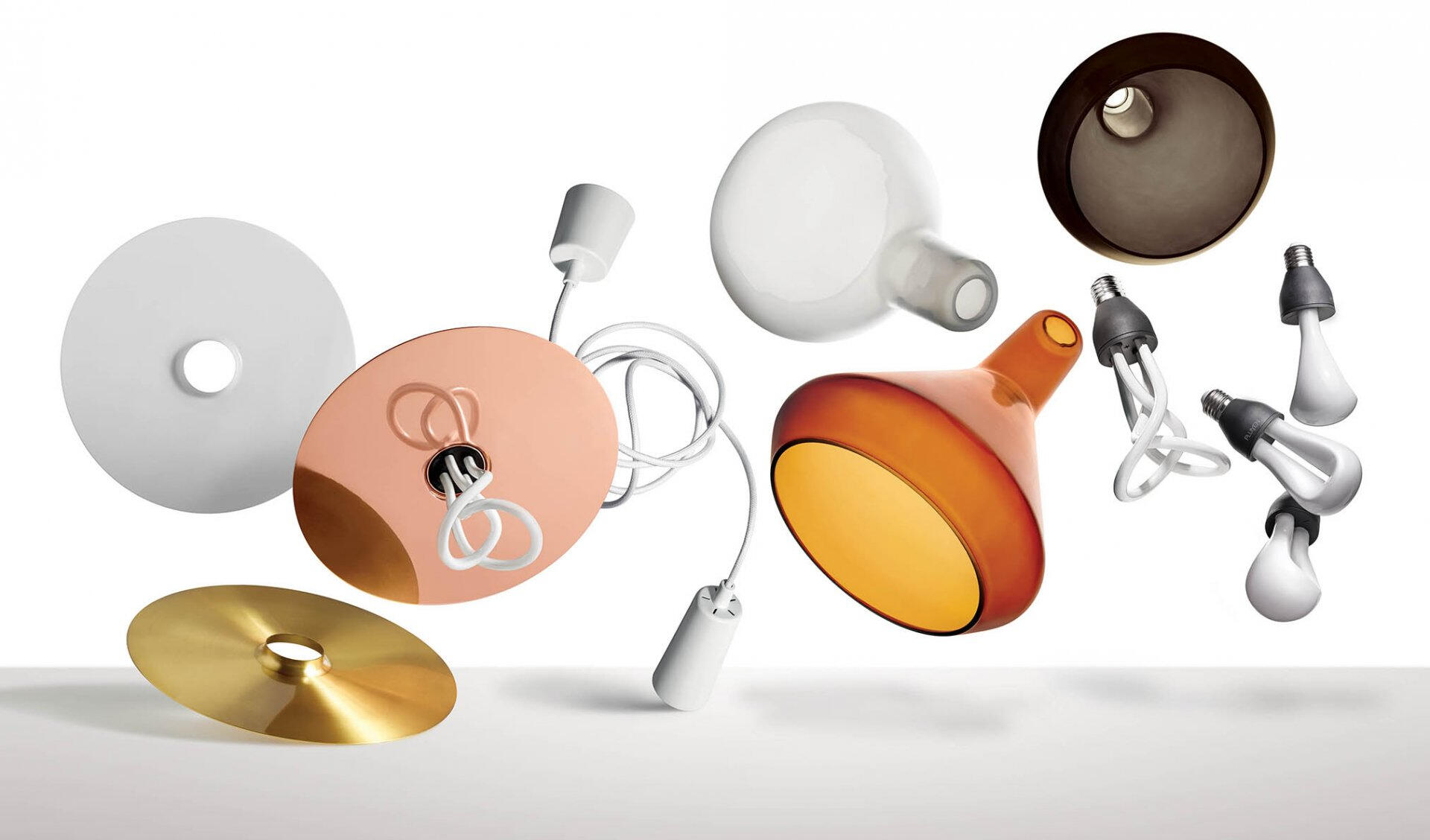
2010Plumen wasn’t just a one-off idea, it was clear from the start that the world of lighting was ripe for a new innovative player, unencumbered by traditional, conservative views of lighting products. So HULGER created Plumen as an enterprise to present new ideas to the lighting world. The name is a fusion of “lumen”, the unit of light and “plumes,’ the decorative feathers of birds and beautiful flowing forms of smoke.HULGER believes that art can live in everyday objects, so the team looked beyond existing ugly formats of energy efficient bulbs to the possibility of beautiful shapes and arrangements that exploited new technologies and new materials, components and construction. Plumen put design in the driving seat in order to create an object that would inspire the adoption of low energy lighting. And it worked, selling hundreds of thousands of low energy bulbs that replaced incandescents. But probably more impactful was how it inspired a change in the industry, encouraging many startups to follow the playbook, and eventually making industry incumbents start to recognise the importance of design in these new efficient products.The Plumen 001 won the Design of the Year 2011, a Black Pencil at the prestigious D&AD Awards, Best Stuff of The Year by GQ (US edition) and the Homes and Gardens Eco Product Of the Year 2011The Plumen 001 is in the permanent design collections at MoMA, Cooper-Hewitt, the V&A, the Helsinki Design Museum, The London Design Museum and the Art Institute of Chicago.The Plumen 001 was designed in collaboration with Samuel WilkinsonThe Plumen company was sold in 2021 and you can still buy the original Plumen 001 design from them at Plumen.comAll HULGER's and PLUMEN's packaging was designed by Alexanderboxill
PLUMEN 002
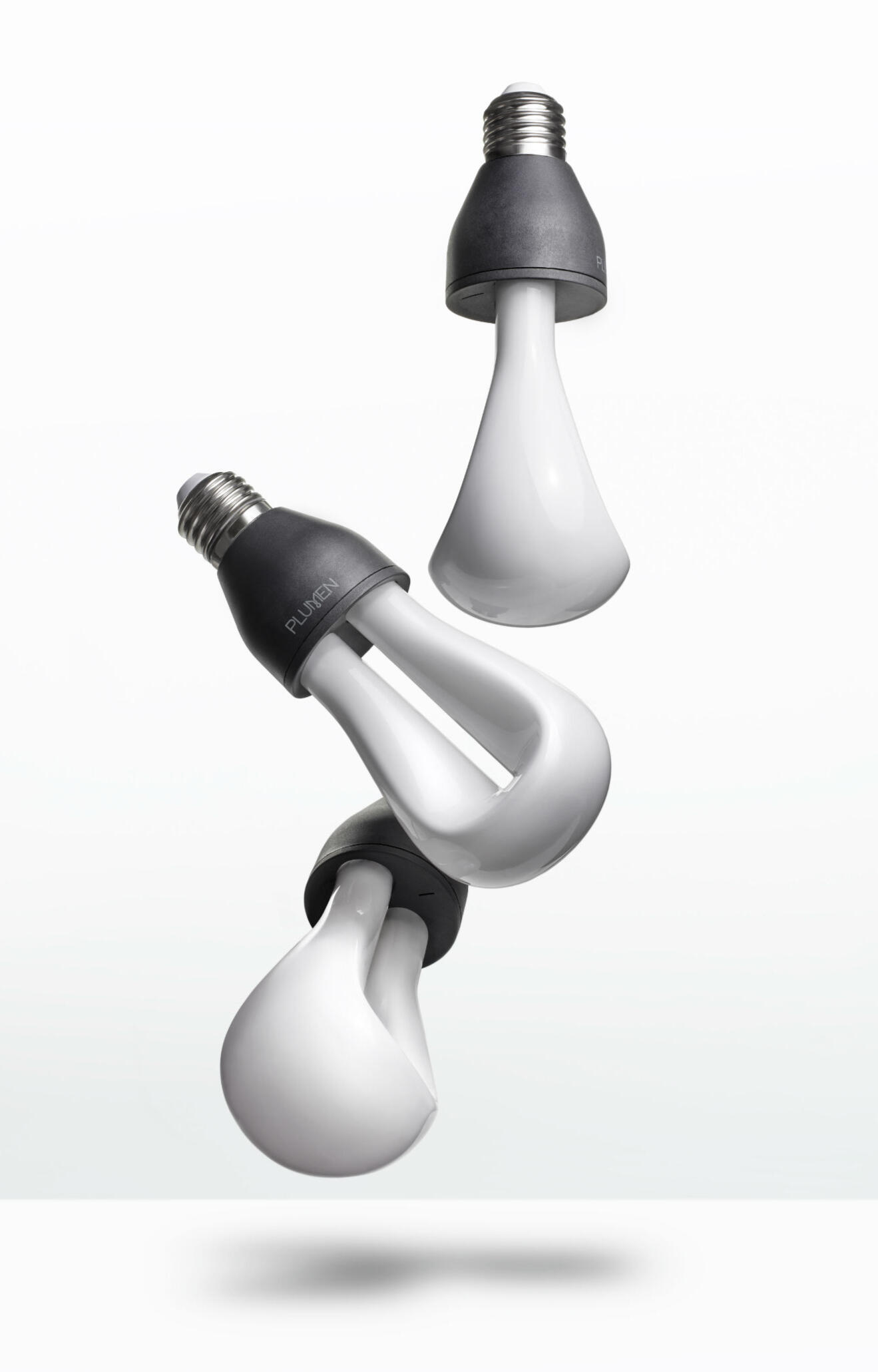
2014The Plumen 002 creates a cosier, warmer light than the 001. On first impressions the shape is much more conservative, however the sculpted form possesses as much depth and curiosity as our first bulb design. Inspired by the sculptor Barbara Hepworth, the design combines a minimalist attitude with the search for depth and spirit in the complex sweeping forms.The Plumen 002 won Elle Decoration’s “Best Sustainable Design Product” in 2014 and was featured in GQ’s (China) Best Stuff of 2014.The Plumen 002 was designed in collaboration with Bertrand ClercThe Plumen 002 is available to buy at Plumen.com
PLUMEN 003
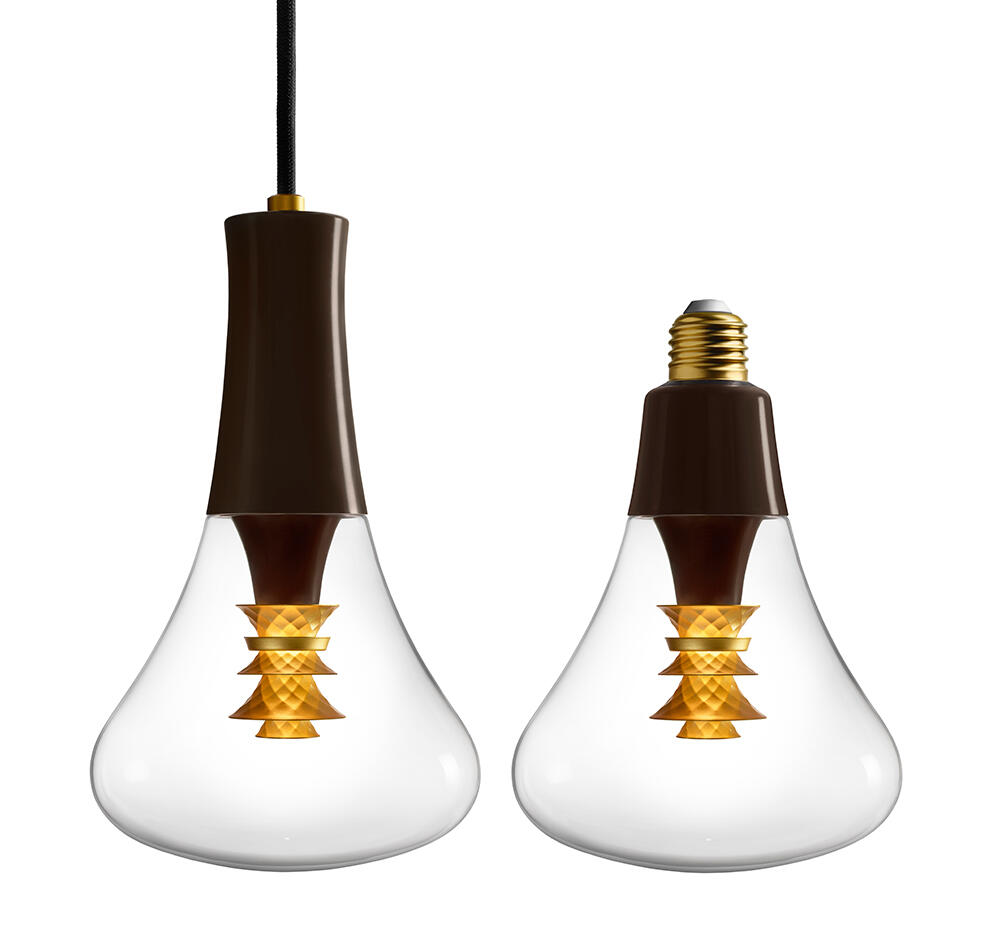
2016Five years in the making, this highly engineered lamp gives you two lights in one. The downward spotlight serves to illuminate a task, whether you’re working, reading, writing or eating. Simultaneously, the gold shade at the centre of the bulb gives off a soft ambient light that’s flattering to people’s faces.The gold element within has a faceted surface pattern, designed by a jeweller. This creates a warm, luxurious, textured light that feels like it has come from an intricately cut gem or an ornately crafted precious metal.“Sustainable design often lacks sex appeal – LED bulbs being no exception. We decided that to attract customers to this new technology we needed to create an efficient light bulb that was also inspiring and beautiful in its own right. Since our original idea, LED technology has come on in leaps and bounds. Previous gripes over light quality, colour temperature, reliability and brightness have all faded. In response to this, we set ourselves an even more ambitious goal for the 003: to design not just the most beautiful energy-efficient bulb, but rather the most beautiful light bulb ever, period.” - Nicolas RoopeThe Plumen 003 was designed in collaboration with jewellery designer Marie-Laure Giroux and Claire Norcross
WILMA & WILLOW
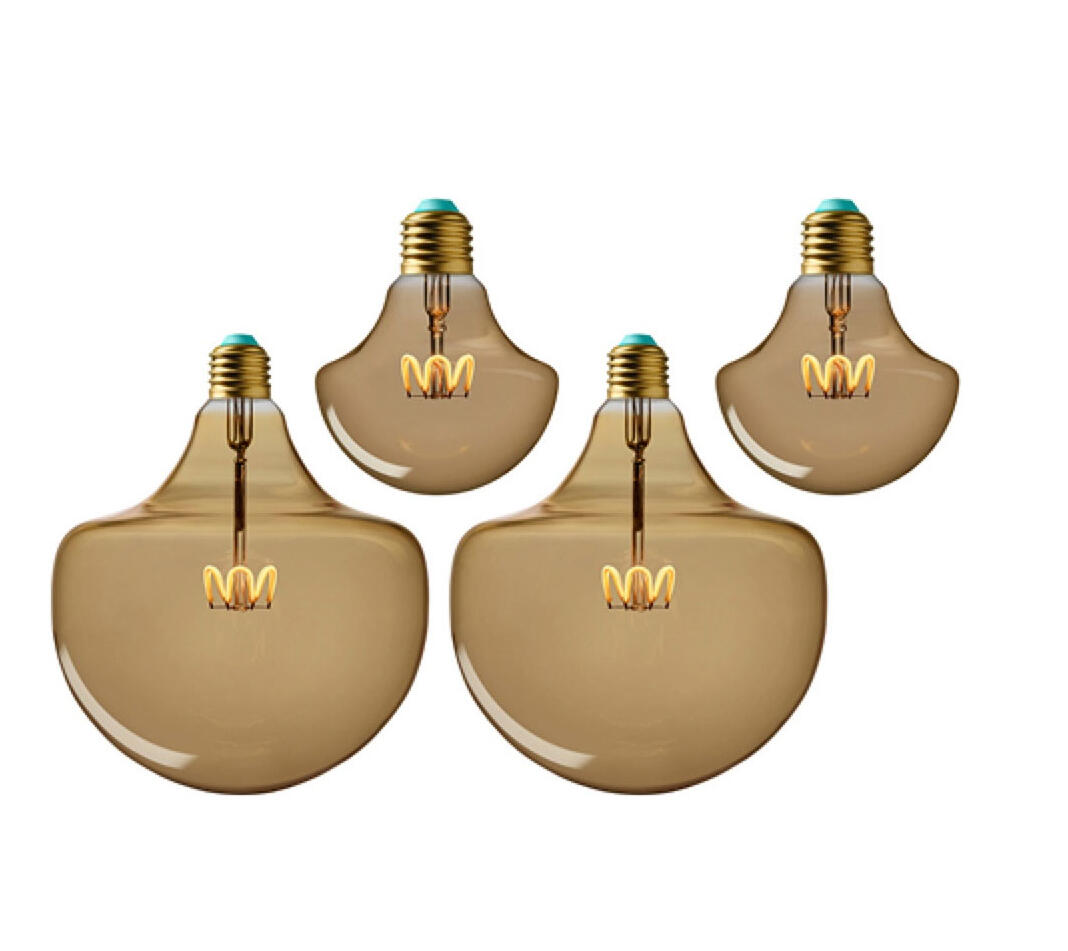
2018WILMA & WILLOW were introduced as new bulb series in 2018, which were notable for being Plumen's first range of dimmable LED filament bulbs that utilised high-performance, flexible LED technology to create their distinctive organic shapes, where the elements and outer form were in conscious dialogue.These bulbs marked a significant shift for the brand, moving from the sculptural fluorescent tubes of the original Plumen 001 toward the warmer, more nostalgic aesthetic of LED filaments.They came in two finishes, a bronze antique and a milky finish that diffused the light but still presented the glowing element clearly (this took a long time to perfect!!)The WILMA & WILLOW were designed in collaboration with Daniel Becker
POKIA PHONES
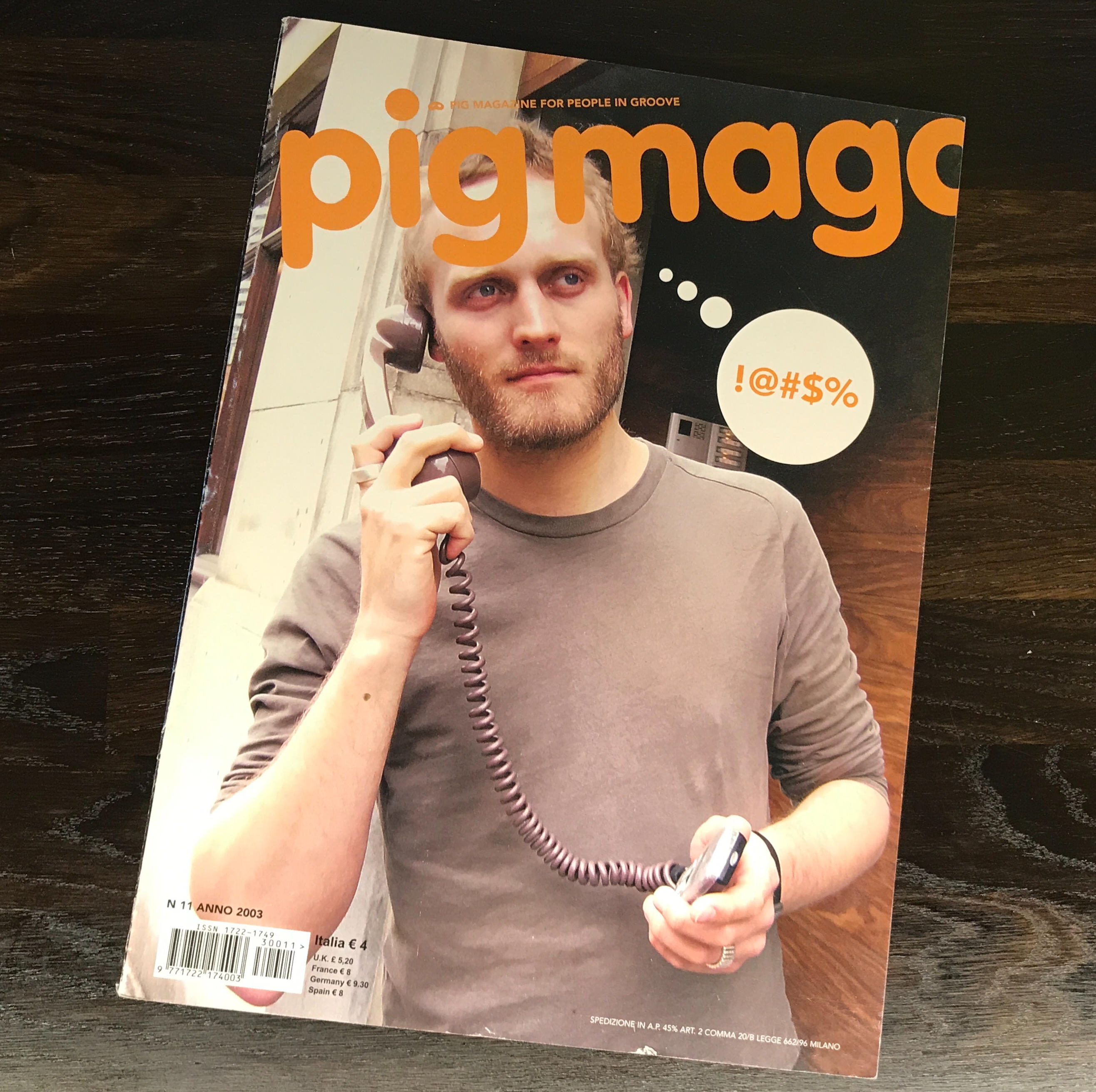
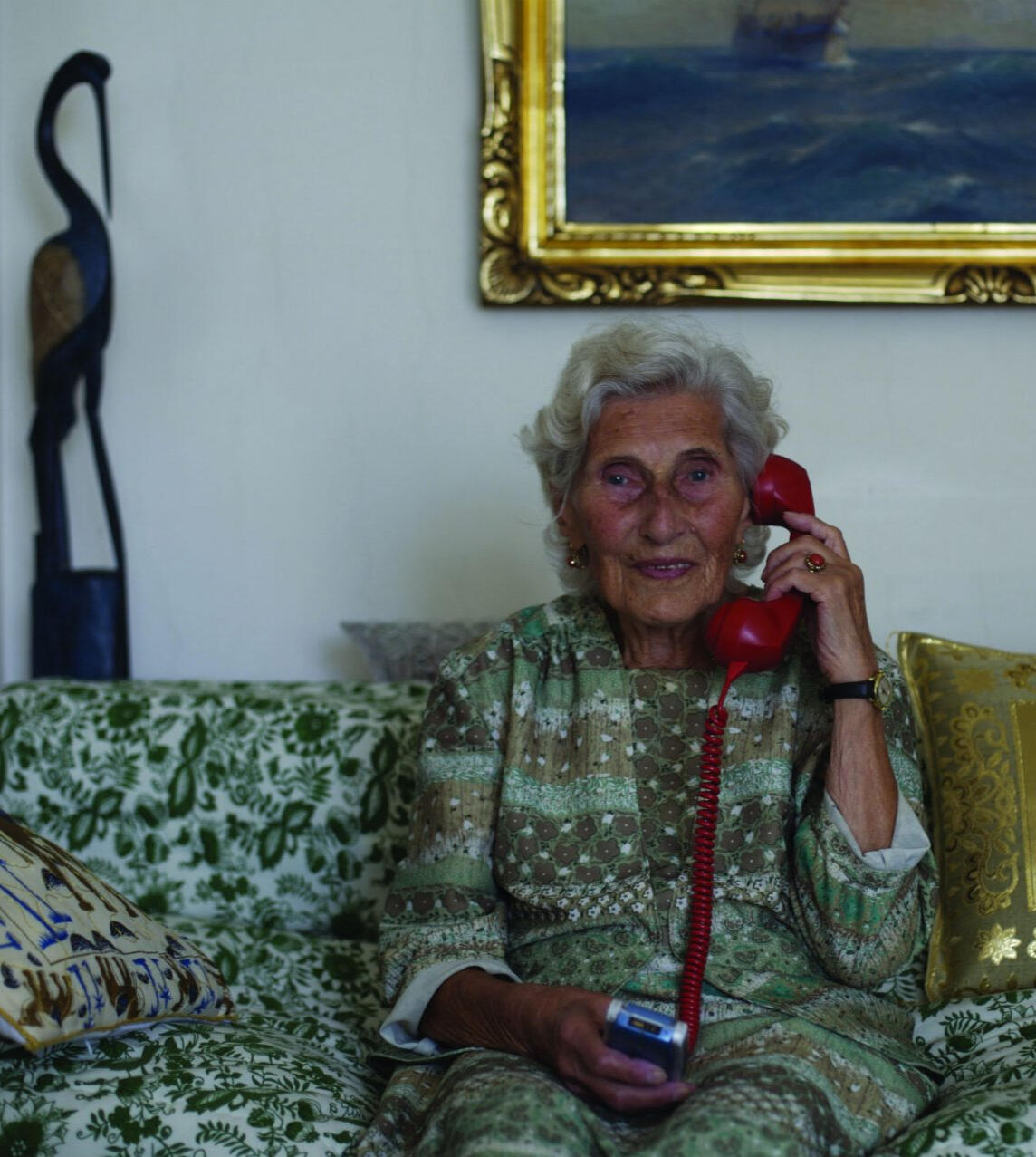
2002The Pokia phone was a hack created in 2002. Nicolas purchased vintage phones on ebay, rewired them with a hands free kit and then resold the product as Pokia handsets.The numbers were very low but interest grew until the point that the New York Times published a double page spread on the Pokia phenomena after the hugely influential blog BoingBoing ran a story. This spike in interest prompted the company to trademark and develop a production model, the P*PHONE.In 2003 Simon Beckerman, editor of Pigmago style magazine in Milan called and asked Nicolas to take a shot for the magazine. The same evening he called to say he'd made the cover! Simon went on to found Depop.After a trademark dispute with a large company with a similar sounding name, Pokia renamed and rebranded as Hulger. Luckily the process of etching Pokia on 1000 handsets in China had not yet begun.
HULGER PHONES
2005-2008As Nokia took exception to an international trademark application for Pokia (quite understandable), ten thousand handsets were about to be produced in the following days with Pokia etched conspicuously across their handles. The mold was promptly changed and the company name became HULGER. Pokia lived on in the “P” motif in the headphone part of the handset, as well as in the product naming convention of everything started with a P.The HULGER phone idea was a cultural hack, a kind of punk statement that reacted against communication technologies that were miniaturising and complicating at an alarming rate. Over the course of a decade we’d all become habitual users of mobile technologies but even the most dextrous of us struggled to fathom the millions of superfluous functions and tiny buttons. We were all dependent and yet the products being offered were beginning to alienate these same users. HULGER phones came before the iPhone opened a new chapter in mobile devices, and calling and texting became less defining in a new universe of apps. The era of un-usable, un-useful mobile phones was over when Steve Jobs launched the iPhone. This was also the moment when the potency in the HULGER Phone idea diminished. Suddenly, once again we could fall in love with mobile devices and their beautifully choreographed, juicy, pressable buttons and gestural interfaces that brought art and poetry to a whole new category of experiences and services. The big retro phone era continued, but only as cheap, colourful, disposable gizmos that found their way into every electronics retailer the world over. The HULGER Phone statement had been assimilated and diluted to the point where the sentiment had gone and rather than pointing towards an ambition to create more sustainable and timeless technologies, they merely became stocking fillers that ultimately just added volume to the landfill. Significant business was made by the thousands of HULGER Phone copies but the company had moved on to a new problem to solve, with an idea that could last.HULGER's phones, together with the Pokia idea before them, received global media coverage across broadsheets, television, magazines, blogs etc for several years. They appeared in the seminal Design and The Elastic Mind exhibition at the MoMA and stayed on at the museum’s study collection.When HULGER embarked on the project, the company made a clear pact to use this noisy idea to drive through an agenda that would force a renegotiation between technology, design and the consumer. HULGER phones delivered the first chapter of this journey, building an international brand that would form the platform on which PLUMEN would be built, a project that would more directly tackle the problems around waste and consumption by engaging the power of artistic and deep design thinking.One of the companies that took inspiration from our idea sold over 3 million products and continue to sell today. It wasn't our idea to build a business like that, but it's good to see our concept is still powering on after all these years.
P*PHONE
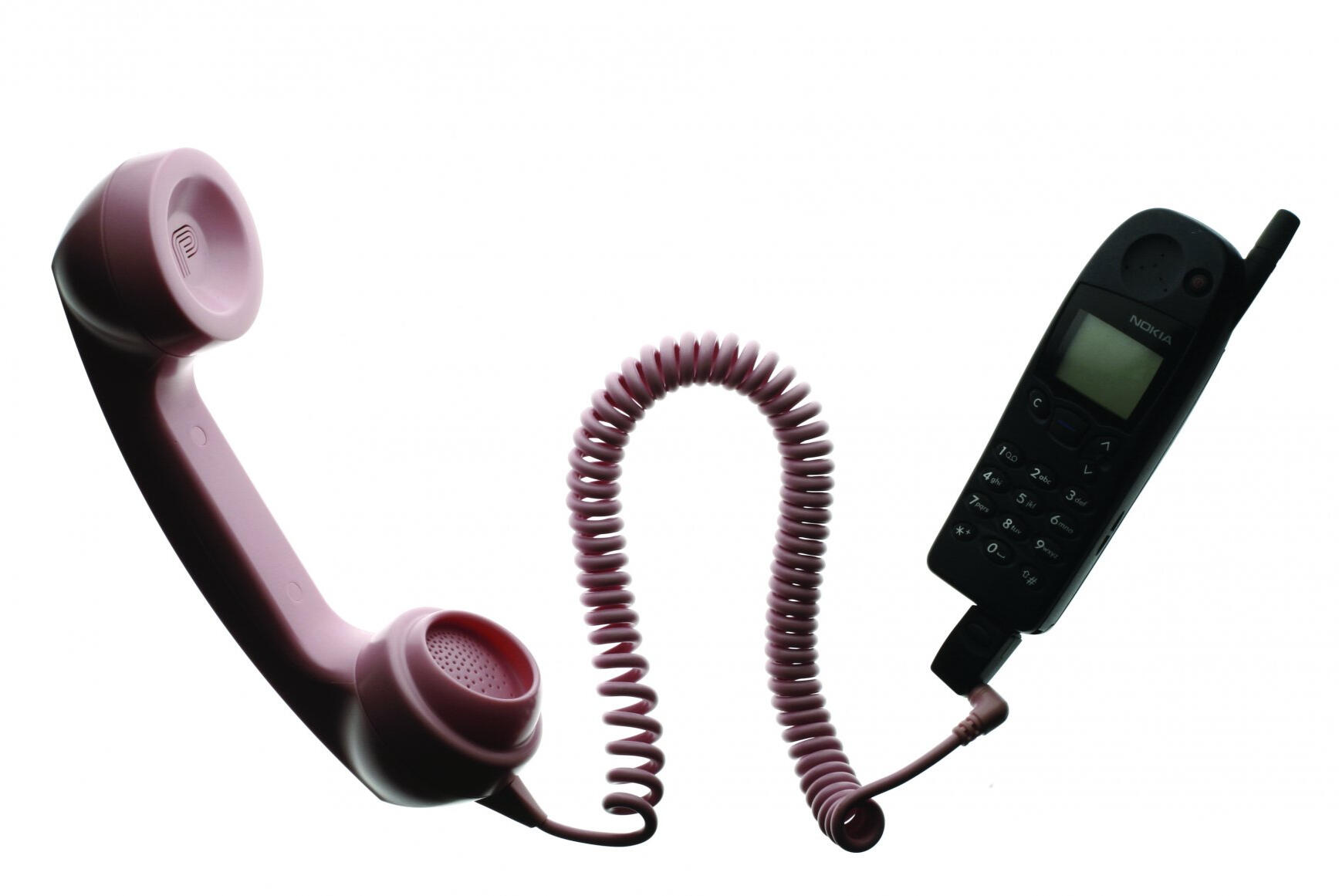
2005The P*PHONE was launched globally on June 1st 2005. It was a punk statement that was not an isolated artwork in a gallery, but an object you could experience and own. The product called into question our collective acceptance of “built in obsolescence” as it referenced technology from an era where technology products would last decades and improve over time rather than rapidly erode in appeal as they do today. Wear in Not Wear Out was a phrase we used that captured this intent.The P*PHONE came in Red, Pink, Green, Black and White and was later complemented with a matching base option for Skyping. It was sold in Colette (Paris), MoMA (NYC), SCP (London), Tokyo Hands (Tokyo), Rosanna Orlandi (Milan) and many other leading global retailers.The P*PHONE was designed in collaboration with Sebastien Noel
PIP*PHONE
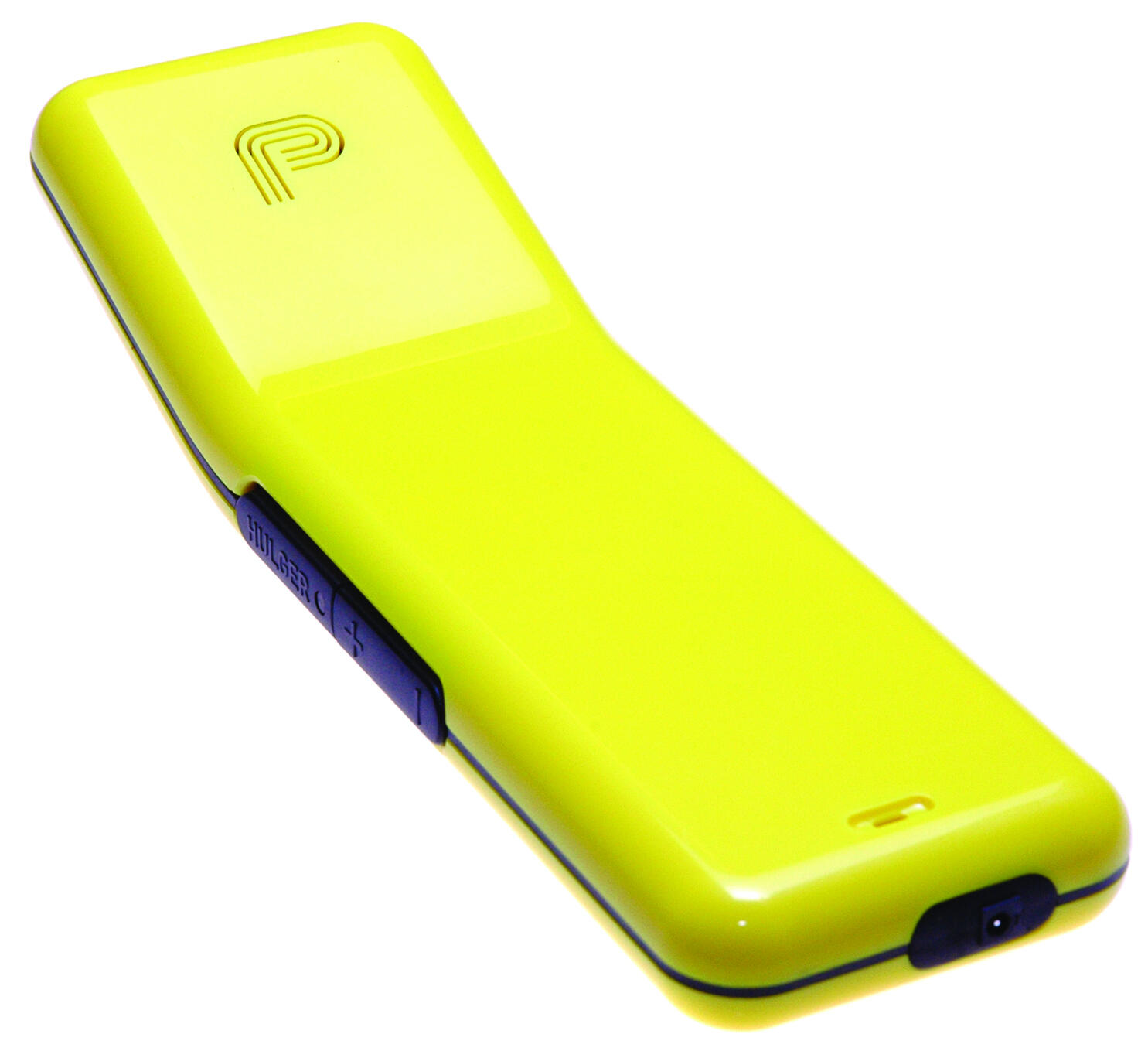
2006The PIP*PHONE was created for the same purpose as the P*PHONE but referenced a different era of Phone designs from the 70’s. The most dominant reference was the Lotus Esprit.The PIP*PHONE came in white, black and yellow, had wired and Bluetooth variants and was later complemented with a matching base option for Skyping.The PIP*PHONE was recognised by the Japanese GMARK award and the European iF awards. It was sold in Colette (Paris), MoMA (NYC), SCP (London), Tokyu Hands (Tokyo), Rosanna Orlandi (Milan) and many other leading global retailers.The PIP*PHONE was designed in collaboration with Kiwi & Pom
PENELOPE*PHONE
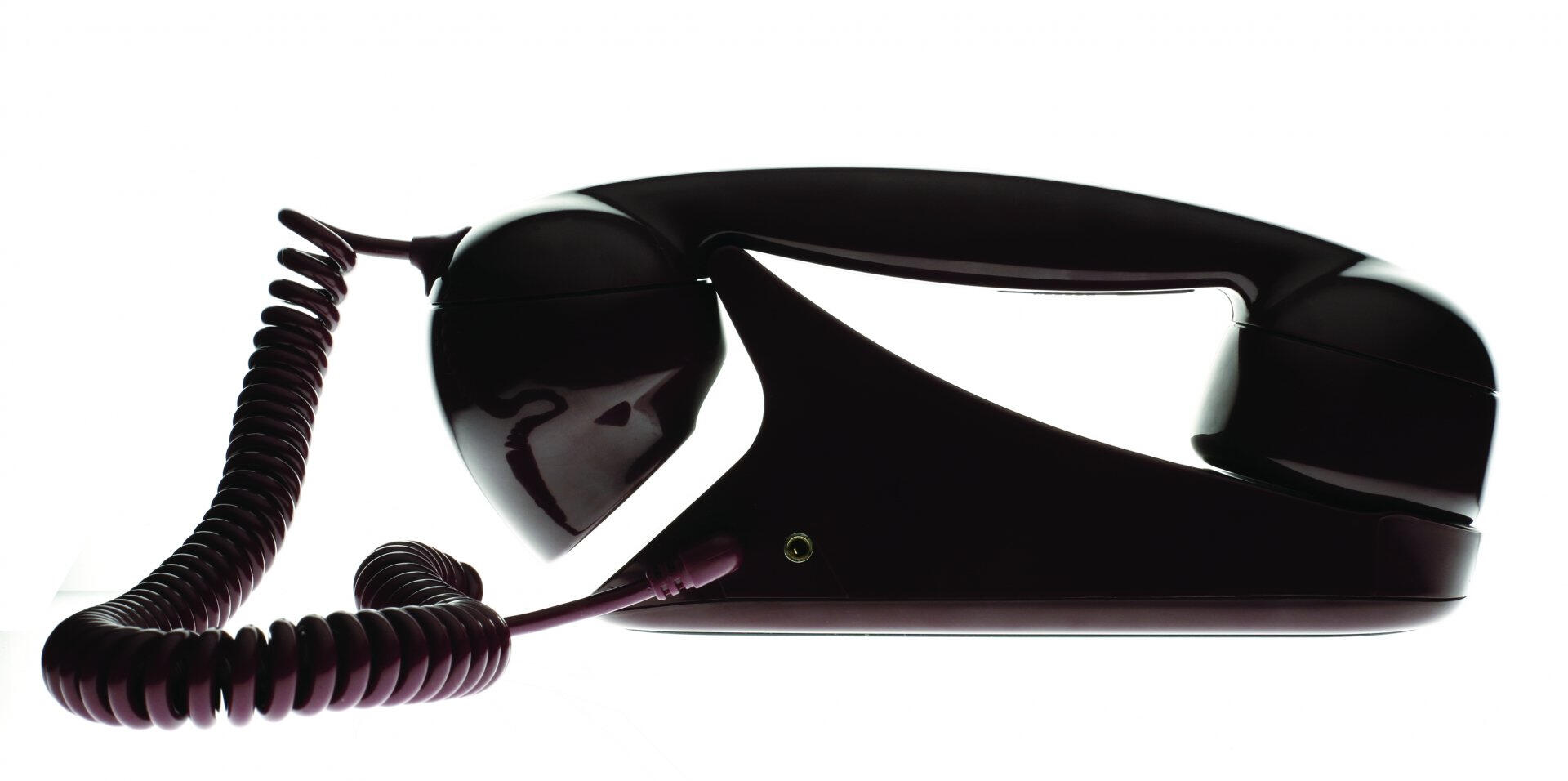
2006The PENELOPE*PHONE extended the story created by the P*PHONE but drew on strong references from the 1920’s when Art Deco hailed a new dawn where art and technology were defining a new world through aviation and automotive advances. The design looked back at classic Bakelite designs from the era and imagined what the designers may have done with contemporary plastics at their disposal rather than their brittle, weak Bakelite.The PENELOPE*PHONE, made from tough and malleable PC, presented beautiful sweeping curves across the sculpted surface. HULGER phones only had one button to present, allowing the emphasis of the design to focus on the form of the object, creating something more timeless.The PENELOPE*PHONE was designed in collaboration with Kiwi & PomThe PENELOPE*PHONE came in ivory (colour, not material), black and maroon, had wired and Bluetooth variants and was later complemented with a matching base option for Skyping.It was sold in Colette (Paris), MoMA (NYC), SCP (London), Tokyu Hands (Tokyo), Rosanna Orlandi (Milan) and many other leading global retailers.
PAPPA*PHONE
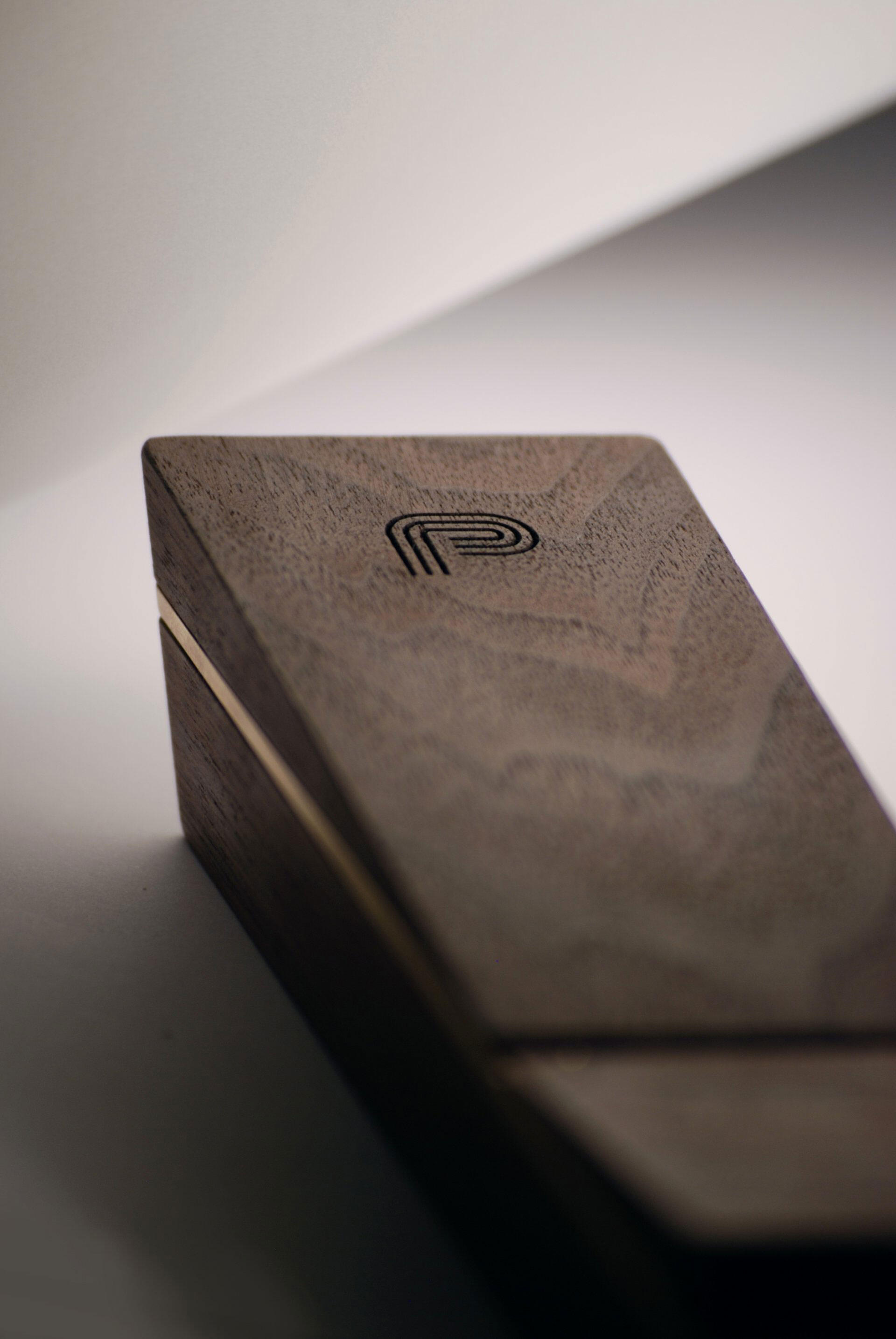
2008The PAPPA*PHONE was crafted from sustainable American walnut sources. Taking the HULGER phone thinking further, the design that incorporated solid brass into the assembly was an attempt to create a product that could last forever, in both appeal and in concept.Increasingly, the connections we make in order to speak to people are made digitally, but the sound that emerges at either end will be analogue, in the sense that sound itself is analogue in nature as it is a series of vibrations with air particles that both carry the signal and hold the information. So, as the symbol of the end of these digital chains it felt fitting that the phone should celebrate the texture and solidity of sound’s analogue nature.
Thanks to everyone who worked with and helped HULGER over the years. We built something really special and worthwhile and it had a huge positive impact on the lighting industry particularly, inspiring it to embrace design as a means to drive the adoption of low energy lighting. The transition to LED is now more or less complete across the world.Thanks for stopping by at HULGER. If you want to get in touch you can find Nicolas Roope on LinkedIn